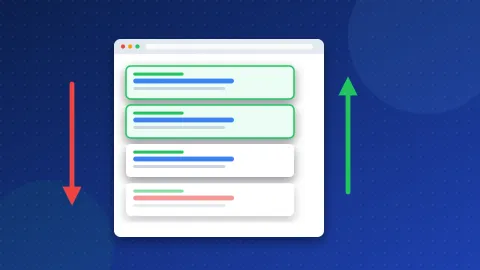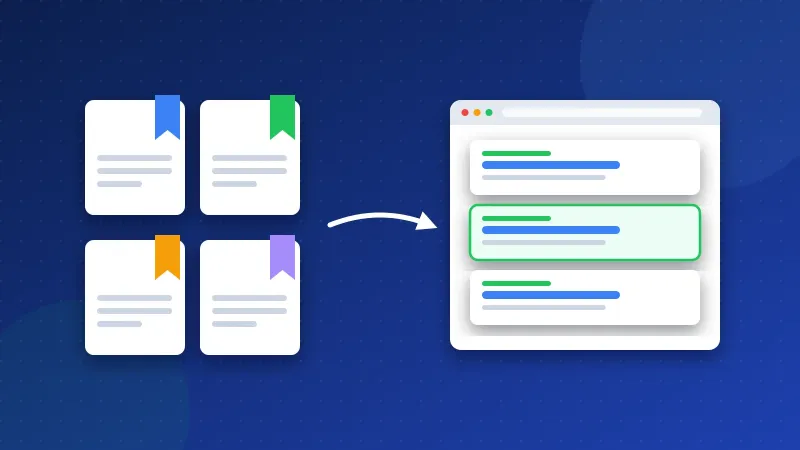
Bookmarking and classified sites still help people find your pages, but they do little for rankings today. Most of them mark the links you post as nofollow or ugc, so those links pass little or no ranking value. Use them to reach real readers and local buyers, not to build link power.
This guide explains what each type of site does, what changed, and how to use them in a way that is safe and worth your time.
What are social bookmarking sites?
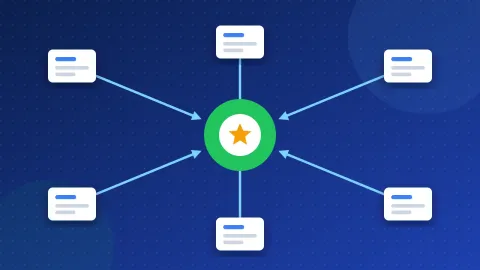
A social bookmarking site lets people save and share links in public. Think of a shared shelf of favorite pages. Users add a link, a short note and a few tags. Other users can vote, comment or save the same link.
Some bookmarking sites are big communities with their own rules. Others are small, old sites that only exist to collect links. The big ones can send real visitors. The small ones often send nobody, and many are full of spam.
What is classified site submission?
A classified site is an online version of the small ads in a newspaper. You post an ad for a product, a job, a room or a service. The site sorts ads by category and by city, so buyers can browse what is near them.
Classified ads work best for local and physical things: a used car, a cleaning service, a rental. They are not a good fit for a blog post or a general guide. People on classified sites want to buy or hire, not read.
Do bookmarking and classified sites still help SEO?
Not much, and the reason is simple. Most of these sites let anyone post, so they treat user links with care. Google asks site owners to mark links in comments and forum posts with rel="ugc", which stands for user-generated content. Links marked nofollow or ugc generally do not pass ranking credit.
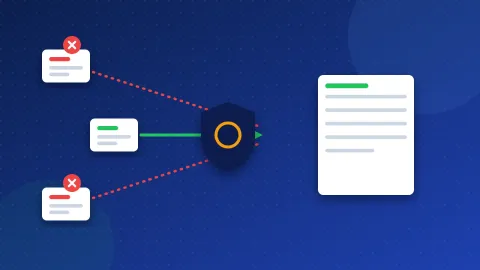
Google also names this tactic directly. Its spam policies list "low-quality directory or bookmark site links" as an example of link spam. The same page warns about automated programs that create links to your site. So a tool that blasts your URL to hundreds of bookmark sites can hurt you more than it helps.
That does not make these sites useless. A link can still bring a human visitor, even with nofollow on it. And when a real person finds your page through a bookmark, they may share it or link to it from their own site. That second link is the one that counts.
What I learned from bookmarking every article
I have run Bloghints since 2006. For years I submitted every new article by hand to many social bookmarking sites. It felt like real work, so it felt like progress. Looking back, it was mostly busy work done for links, not for readers.
After Google's crackdown on link spam (the Penguin update in April 2012), I stopped doing it out of caution. I share this as a lesson, not a plan to copy. If a site exists only to hold links, it will not hold your readers either.
Bookmarking vs. classified sites: a quick comparison
| Question | Bookmarking sites | Classified sites |
|---|---|---|
| Best for | Articles, guides, tools | Local products and services |
| Typical link | Nofollow or ugc | Often nofollow |
| Main value | Discovery and visitors | Local leads and sales |
| Main risk | Spam bookmark farms | Duplicate ads, scams |
How to use these sites the right way
If you want to try them, treat each post like a small piece of marketing. These steps keep you safe and save time:
- Pick a few active sites. Look for fresh posts, real comments and clear rules. Skip sites where every post is an ad for pills or loans.
- Match the site to the page. Share guides and tools on bookmarking sites. Post local offers on classified sites in the right city.
- Write a new title and note each time. Do not paste the same text everywhere. A short, honest note gets more clicks.
- Join in before you post. On community sites, vote and comment on other posts first. Many communities ban accounts that only drop their own links.
- Space out your posts. One good post a week beats fifty in one day.
- Track real visits. Use your analytics to see which sites send people who stay and read. Drop the rest.
Common mistakes to avoid
- Buying "1,000 bookmarks" packages. These come from automated tools, which Google treats as link spam.
- Posting the same classified ad in many cities where you do not work.
- Stuffing keywords into the title. Readers skip it and moderators delete it.
- Expecting rankings to jump. These links are for people, so judge them by people.
If you pay a site to feature your ad or bookmark, that link is an ad. Google says paid links should carry rel="sponsored" or rel="nofollow". A trusted site will add this for you.
Where to find sites worth trying
Our social bookmarking sites list is a starting point for sharing articles. For local offers, see the classified submission sites for free advertising. Check each site yourself before you post, because small sites change or close often.
If your real goal is links that help rankings, these sites are the wrong tool. Read our guide on how to get backlinks for your website for methods that still work.
In short, bookmarking and classified sites are about reach, not rank. Use a few good ones, write for people, and measure visits instead of link counts.
Frequently asked questions
Are social bookmarking backlinks dofollow?
Most active bookmarking communities mark user links as nofollow or ugc. A few small sites still give normal links, but those sites are often low quality. Google lists low-quality bookmark links as link spam, so a "dofollow" bookmark is not a reason to post.
Can classified ads help local SEO?
They can bring local leads, but they are not a ranking shortcut. For local search, a complete Google Business Profile and accurate business details on trusted directories matter more. Use classified ads to sell, and judge them by calls and messages.
Is it safe to use an automatic bookmarking tool?
No. Google's spam policies name automated programs that create links to your site as link spam. These tools also post to junk sites that send no visitors. Post by hand, on a few sites that fit your page.