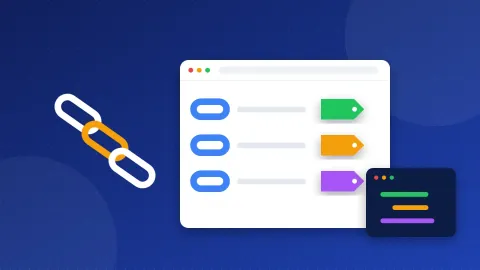
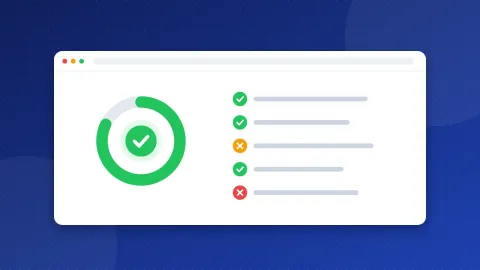
The quickest way to check nofollow links on a page is to read the rel value of every link in one list. Enter an address or paste HTML, and this auditor shows each link with its anchor text, whether it stays on your site or goes elsewhere, and whether it is followed, nofollow, sponsored or ugc. Filters pick out new-tab links without noopener and links that only exist inside scripts.
What the rel values mean
A normal link passes a vote of trust from your page to the page it points to. The rel attribute lets you qualify that vote. Google lists three values:
| Value | Use it for | Example |
|---|---|---|
rel="sponsored" | Paid links, ads, affiliate links, sponsored posts | A listing someone paid for |
rel="ugc" | Links that visitors added | Comments, forum posts, user profiles |
rel="nofollow" | Any other link you do not want to vouch for | A source you cite but do not trust |
| no rel | Editorial links you stand behind | A guide you recommend |
Values can be combined, such as rel="sponsored nofollow". Since 2020 Google treats all three as hints rather than strict orders, so a nofollow link may still be crawled. What has not changed is the rule for paid links: a link that someone paid for and that passes ranking credit breaks Google's spam policies.
I learned this the slow way. In the directory years I bought sitewide links and submitted to paid directories, and back then rankings rose. That kind of link is exactly what sponsored now exists for, and I would not do it again. On Bloghints today, paid listings carry sponsored and submitted ones carry ugc.
How to check nofollow links on a page with this tool
- Enter the page address and press Check links. Or open "Or paste HTML", paste the source and give the page address so the tool can tell internal links from external ones.
- Read the five numbers at the top: all links, internal, external, followed external, and external with nofollow, sponsored or ugc.
- Read the page-wide notes. A meta robots tag or X-Robots-Tag header with nofollow covers every link on the page. A noindex page is dropped from search, and over time Google stops following its links.
- Use the filters. "Followed external" is the list to review most carefully: each of those links is a vote you give.
- Save CSV to keep a record or to share with whoever edits the page.
What to look for
- Paid or affiliate links without sponsored. Fix these first. An affiliate link is a paid link, even if you have never earned a cent from it.
- Comment and forum links without ugc. Most blog platforms add it for you, but check custom templates.
- Followed links to sites you do not know. Old posts collect links to domains that later expired and were bought by someone else. Open them and decide.
- Too many nofollow links to good sources. Citing a government page or a standard with nofollow is not needed. A normal link to a trustworthy source is fine.
- Internal links with nofollow. These waste your own pages' links. Remove nofollow from internal links unless the target is a login or cart page.
target="_blank" and noopener
A link with target="_blank" opens a new tab. Without rel="noopener", older browsers let the new page reach back and change the original tab, which phishing pages have used. Current browsers add noopener behaviour by default, so the risk is now small. Adding rel="noopener" still costs nothing and protects visitors on older browsers. The tool marks every new-tab link without it.
Note that noopener and noreferrer are about security and privacy. They have nothing to do with SEO and do not change how Google treats the link.
What the tool cannot see
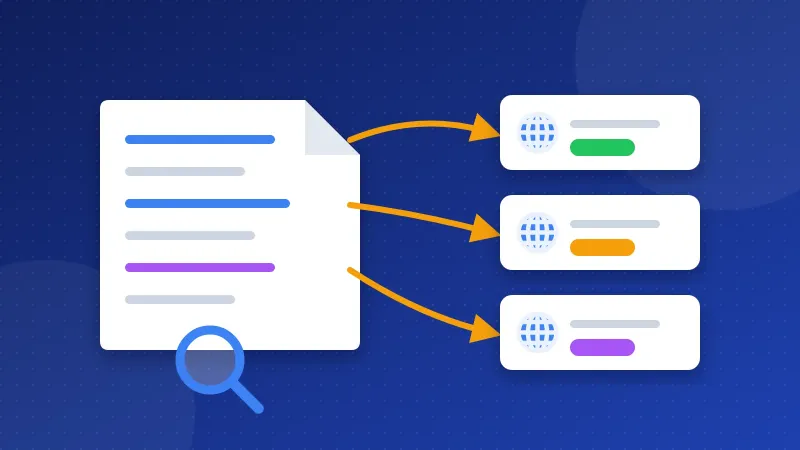
The auditor reads the HTML your server sends and does not run JavaScript. Links that a script adds after the page loads, such as some widgets and comment systems, will be missing. Links that only live in an onclick or a data-href attribute are listed as "script link": search engines may not follow those, because they are not real links. If an important link appears there, change it into a normal <a href>.
The tool also does not judge whether a link is good or bad. It gives you the list; you decide, page by page.
A simple routine
Run the auditor on your most visited pages and on any page that carries paid placements. Run it again after a theme change, because templates often add footer and sidebar links you never chose. It takes a minute to check nofollow links on a page, and it is the easiest way to keep paid and editorial links apart.
Frequently asked questions
Should affiliate links be nofollow or sponsored?
Google asks for rel="sponsored" on affiliate and other paid links. rel="nofollow" is still accepted for them. Using both, rel="sponsored nofollow", also works and covers search engines that do not read sponsored yet.
Do nofollow links help SEO at all?
They pass little or no ranking credit, because Google treats nofollow as a hint and usually does not count it. They can still bring visitors, and a link that people click is worth having for that reason alone.
Why does the tool show fewer links than I see on the page?
Some links are added by JavaScript after the page loads, and this tool reads the HTML before scripts run. Mailto, tel and in-page # links are also left out on purpose.