The simplest free NAP consistency check method for local businesses is a spreadsheet: write down your one correct name, address and phone number, search Google for every listing of your business, and record each listing's details next to the correct version. Any cell that does not match is a fix to make. It costs nothing but an afternoon.
Paid citation tools do the same job faster, but a small business with one location rarely needs them. Here is the full method, with a template you can copy.
What does NAP mean, and why does consistency matter?
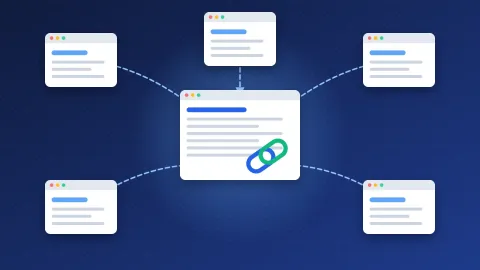
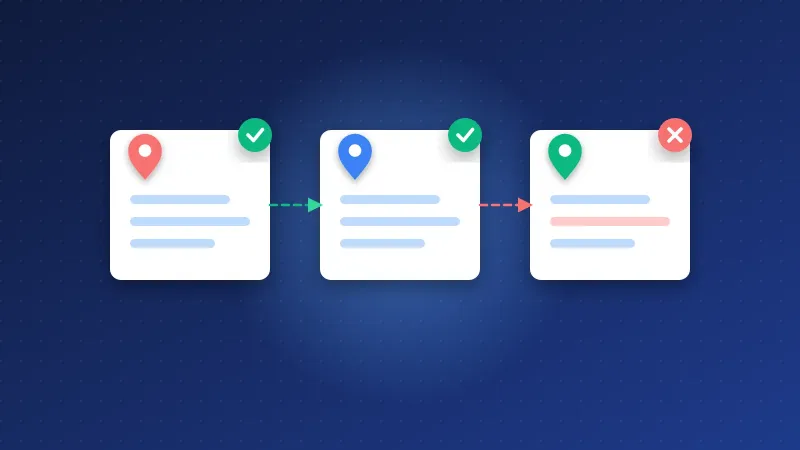
NAP stands for Name, Address and Phone number. A citation is any place online that shows your NAP, such as a web directory listing, a map app or a social profile. Consistency means every citation shows the same details.
Why it matters:
- Trust. Search engines compare your details across many sources. When they agree, your business looks real and stable.
- Customers. An old phone number or a former address loses calls and sends people to the wrong door.
- AI answers. Whitespark's 2026 Local Search Ranking Factors report found that 3 of the top 5 AI search visibility factors are citation factors, while for the map pack, experts now rate consistency above raw citation volume.
Google's own Business Profile guidelines say your name should reflect your real-world name "as used consistently on your storefront, website, stationery, and as known to customers." That is a good rule for every other listing too.
Step 1: Decide your one correct NAP
Before you check anything, agree on a single "master" version. Write it at the top of your spreadsheet and never change it casually.
- Name: the real business name, with no added keywords or city names.
- Address: pick one format and stick to it, for example "Suite 4" or "#4", "Street" or "St".
- Phone: a local number that rings at this location. Avoid tracking numbers as your main listed number.
- Website: one URL, ideally your home page or location page, always with the same https and www choice.
Small format differences like "St" versus "Street" are usually understood by search engines. Wrong suite numbers, old phone numbers and old business names are the real problems.
Step 2: Find every listing of your business
Search Google in several ways and open every result that shows your business. Use quotes so Google matches the exact text.
- Your business name in quotes, plus your city.
- Your current phone number in quotes, in two or three formats (with and without spaces or dashes).
- Every old phone number you have ever used.
- Your street address in quotes, without the business name. This finds listings under an old name.
- Any former business name or old address.
Then check the big platforms directly, even if they did not show up: Google Business Profile, Apple Maps, Bing Places, Facebook, Yelp and the main directories in your country. Our local business directory list is a good checklist for the next layer.
Step 3: A free NAP consistency check method for local businesses (spreadsheet template)
Open Google Sheets or Excel and create these columns. Copy the layout exactly.
| Column | What to enter | Example |
|---|---|---|
| Site | Name of the platform | Yelp |
| Listing URL | Direct link to your listing | https://… |
| Name shown | Business name exactly as listed | Green Leaf Dental Clinic |
| Address shown | Full address as listed | 12 Oak St, Suite 4 |
| Phone shown | Phone as listed | (555) 010-2030 |
| Website shown | URL as listed | https://example.com |
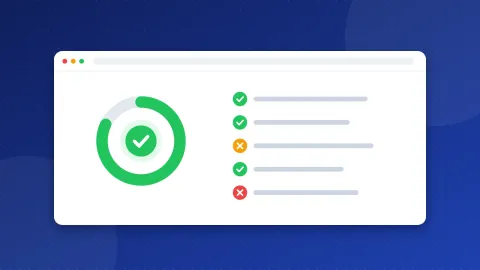
| Match? | Yes / No for each field | Name: Yes, Phone: No |
| Claimed? | Do you control the listing? | No |
| Action / date fixed | What you did and when | Claimed, phone updated 3 Oct |
A small tip: put your master NAP in row 2 and add a formula such as =EXACT(C5,C$2) to flag differences automatically. EXACT is case-sensitive, so treat a "FALSE" as "look at this", not as an automatic error.
Step 4: Fix mismatches and duplicates
Work from the most important platforms down. A wrong Google or Apple listing hurts more than a wrong listing on a tiny directory.
- Claim the listing. Most platforms let you verify ownership by phone, email or postcard. Once claimed, edit the details.
- Suggest an edit if you cannot claim it. Many map apps accept public corrections.
- Remove duplicates. If two listings exist for one location, ask the platform to merge or remove the extra one. Do not just delete the information in it, because an empty duplicate can still confuse things.
- Fix the source. If wrong data keeps coming back, it is probably fed by a data aggregator. In the US, BrightLocal names Foursquare, Data Axle and TransUnion (formerly Neustar Localeze) as the main ones. Correct your record there and the fix spreads to their partners.
- Write down the date in your sheet so you know when to re-check.
Be patient. Some edits appear in a day; others take several weeks, especially where a site pulls data from a third party.
How often should you re-check your NAP?
A good routine for most small businesses:
- Every 3 months: re-check your top 10 to 15 listings and search your phone number in quotes.
- Every 12 months: repeat the full search from Step 2.
- Right away: after any move, phone change, rebrand or new website URL. These are the moments when old data spreads.
Keep the spreadsheet. Next time, you only need to check the rows, not rebuild the list.
A free NAP consistency check method for local businesses does not need special software: one master NAP, a careful search, a shared spreadsheet and a steady fixing routine will catch nearly every problem that matters. When you are ready to add new listings, add each one to the same sheet the day you create it.
Frequently asked questions
Do small differences like "St" and "Street" hurt my rankings?
Usually not. Search engines are good at understanding common abbreviations. Focus on real errors, such as wrong numbers, old addresses and old business names, and pick one format for new listings.
Can I use a call tracking number in my listings?
Keep your main local number as the primary phone on every listing. If a platform allows a secondary number, a tracking number can go there. Using different tracking numbers on different sites breaks your phone consistency.
Is a paid citation tool better than the spreadsheet method?
A paid tool is faster and helps when you have many locations. For one or two locations, the spreadsheet method finds the same important problems for free. You can always move to a tool later and keep your sheet as a backup.