FLOW-MATIC: How FLOW-MATIC Influenced the Design of COBOL
FLOW-MATIC, led by Grace Hopper at Remington Rand from 1955, was the first English-like data processing language and a direct model for COBOL.
FLOW-MATIC, led by Grace Hopper at Remington Rand from 1955, was the first English-like data processing language and a direct model for COBOL.
COBOL was designed by the CODASYL committee in 1959 for business data processing. It still runs core systems at banks, insurers and government agencies.
JOVIAL, created by Jules Schwartz at System Development Corporation from 1959, became the U.S. Air Force's standard language for avionics and command systems.
PL/I was IBM's 1964 attempt at one language for both science and business on System/360. It was ambitious, influential and still runs on mainframes today.
Ada grew out of a US Department of Defense competition won by Jean Ichbiah's 'Green' design in 1979. It remains a leading language for safety-critical software.
Java began in 1991 as Oak, a language for consumer devices at Sun. A trademark clash forced a new name just before its 1995 debut on the web.
C# began as Microsoft's answer to losing control of Java. Here is how Anders Hejlsberg's team built it, how it evolved, and where it runs today.
Groovy started as a friendlier scripting language for Java developers and ended up running countless CI/CD pipelines. Here is how that happened.
Scala brought functional programming to the JVM without giving up objects. A look at Martin Odersky's design, Scala 3 and where Scala runs today.
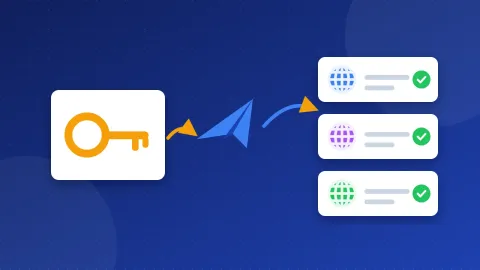 Free tool: IndexNow SubmitterMake an IndexNow key in your browser or use the one you have, check that the key file answers on your site, and send changed URLs to Bing, Yandex, Naver, Sezna…Use it free →Instant Approval DirectoriesAn instant approval directory list checked by hand: directories that publish your listing right away, what they are good for and why most links stay weak.See the list →PageRank Checker and Top WebsitesCheck the PageRank of any website for free and see the top sites by Open PageRank: the global top 1,000 and the best .ai, .io, .edu, .gov and .org domains.Learn more →Free Directory ListA free web directory list checked by hand: general directories that still accept submissions, plus how to submit safely and what to expect after approval.See the list →Submit Your DirectorySubmit your directory or webmaster resource to Bloghints. Every site is reviewed by hand before it is added to a list. Free and featured listings available.Learn more →Paid Directory ListA hand-checked paid web directory list, plus Google's rules on paid links, the risks, and how to judge a paid listing by real traffic and editorial review.See the list →
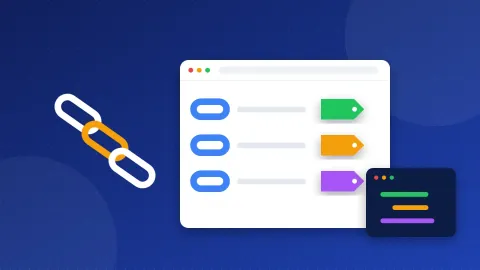 Which rel Attribute Should Directory Links Use?nofollow, sponsored and ugc in plain HTML, which one fits each kind of directory listing, and what a labelled link still does for the site in it.Read the article →
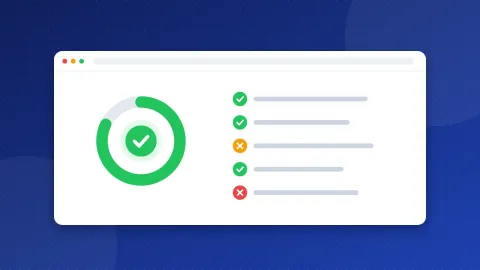 Free tool: Website SEO CheckupPaste a page address and get a score out of 100 from about 45 checks: title, description, headings, images, robots.txt, sitemap, favicon, speed, HTTPS, mobile…Use it free →Webmaster ListsAll Bloghints webmaster lists in one place: free, paid, local and instant approval directories, bookmarking, article and classified sites, checked by hand.Learn more →
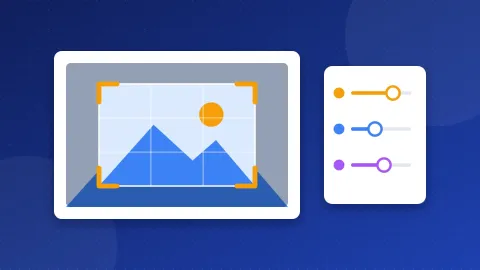 Free tool: Photo EditorCrop, straighten, brighten and sharpen a photo, add text, boxes, arrows and blurred areas, try ten filters, then resize and save it as WebP, JPG or PNG with th…Use it free →Sponsored · FeaturedKeywords EverywhereBrowser extension that shows search volume and related keywords next to Google results, paid with credits.See the tool →Sponsored · FeaturedSemrushAll-in-one SEO suite for keyword research, competitor analysis, backlinks, site audits and rank tracking.See the tool →Sponsored · FeaturedClaudeAI assistant for writing, research, analysis and coding.See the tool →