Website Loading Slow but Internet Fast? Here's Why
Fast internet, slow site? The bottleneck is usually the website: server response time, heavy images, too many scripts. How to find the real cause and fix it, without buying hype.
Fast internet, slow site? The bottleneck is usually the website: server response time, heavy images, too many scripts. How to find the real cause and fix it, without buying hype.
Why Spring Boot shows the plain Whitelabel Error Page, how to replace it with your own error pages or an ErrorController, and how to avoid soft 404s.
No shop, no logins, so why bother with HTTPS? Here is what an SSL certificate does for a small blog: no Not secure label, safe comment forms, and a small but real SEO plus.
Fonts can hide your text and shift your layout. Here is how to load them fast: fewer files, WOFF2, subsets, font-display, preconnect and careful preload, or plain system fonts.
DV, OV or EV? Free or paid? Single, wildcard or multi-domain? A plain guide to picking the SSL certificate your site actually needs, without paying for extras it doesn't.
Copy-ready .htaccess lines for single pages, folders, HTTP to HTTPS and www to non-www, plus how to test them and the mistakes that cause redirect loops.
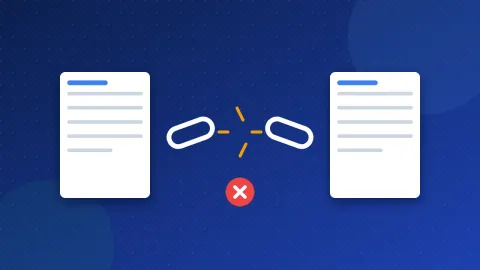
Find dead links with Search Console and a crawler, decide which 404s matter, and fix them the right way: update, redirect, replace or remove. Plus what Google really says about 404s.
Meta tags go in the HTML head; robots rules for PDFs and images go in the X-Robots-Tag HTTP header. Step-by-step code for HTML, .htaccess, NGINX and PHP.
Four ways to see any page's meta tags, from View Source to developer tools and curl, plus which tags Google uses and what to check on your own pages.
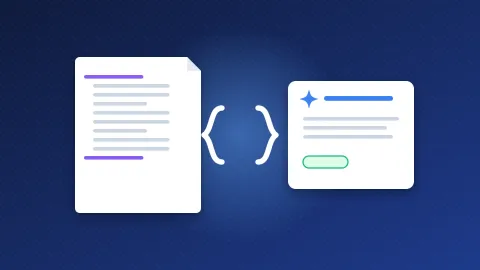
Google says no special schema is needed for AI Overviews. Here is what structured data still does for you, which types to use, and the mistakes to avoid.
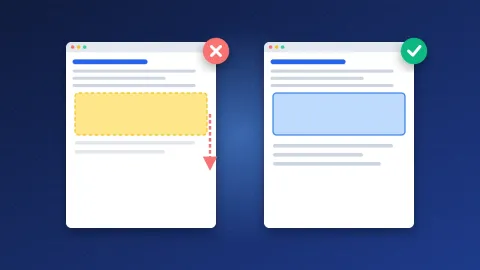
Ads are the most common cause of layout shift on monetised blogs. Here is how to reserve ad space, lazy load lower slots and keep CLS and INP in the green.
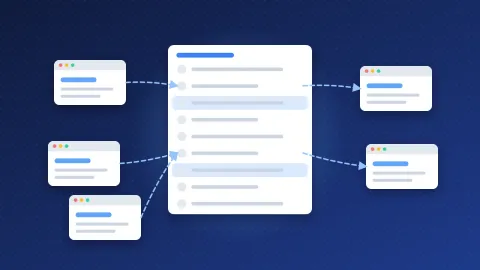
Hub, lists, detail pages: a simple internal linking model for directory and resource-list sites, with rules for breadcrumbs, footers and automatic links.
 FeaturedFree tool: Website SEO CheckupPaste a page address and get a score out of 100 from about 45 checks: title, description, headings, images, robots.txt, sitemap, favicon, speed, HTTPS, mobile…Use it free →FeaturedSubmit Your DirectorySubmit your directory or webmaster resource to Bloghints. Every site is reviewed by hand before it is added to a list. Free and featured listings available.Learn more →FeaturedImage Speed Cheat: Convert Images to WebP the Right WayConvert your biggest images to WebP and add width, height and lazy loading. Pages get lighter and stop jumping while they load.Use this cheat →FeaturedInstant Approval DirectoriesAn instant approval directory list checked by hand: directories that publish your listing right away, what they are good for and why most links stay weak.See the list →FeaturedWebmaster ListsAll Bloghints webmaster lists in one place: free, paid, local and instant approval directories, bookmarking, article and classified sites, checked by hand.Learn more →
 FeaturedFree tool: Image to WebPTurn JPG and PNG images into smaller WebP files right in your browser. Nothing is uploaded.Use it free →FeaturedFree Directory ListA free web directory list checked by hand: general directories that still accept submissions, plus how to submit safely and what to expect after approval.See the list →
 FeaturedFree tool: Photo EditorCrop, straighten, brighten and sharpen a photo, add text, boxes, arrows and blurred areas, try ten filters, then resize and save it as WebP, JPG or PNG with th…Use it free →FeaturedPaid Directory ListA hand-checked paid web directory list, plus Google's rules on paid links, the risks, and how to judge a paid listing by real traffic and editorial review.See the list →