How to Find Meta Tags on a Website
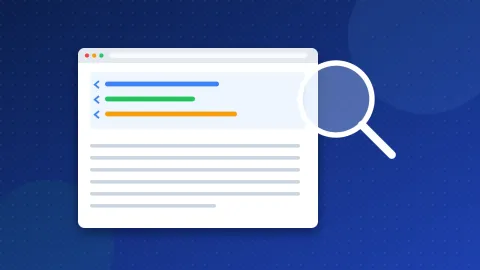
Four ways to see any page's meta tags, from View Source to developer tools and curl, plus which tags Google uses and what to check on your own pages.
Backlinks still matter, but the easy tricks now count as spam. Here are practical, safe ways to earn links to a small website, and the shortcuts to skip.
Large studies agree: AI Overviews cut clicks on informational searches, and being cited softens the blow. Here is what the data says and how to adjust.
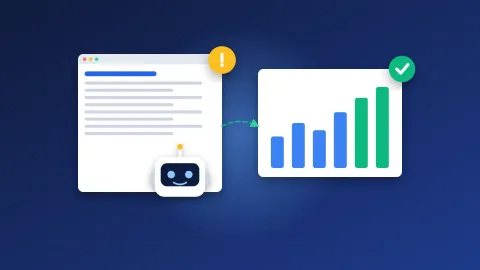
GA4 now has an AI Assistant channel, but it only catches visits with a referrer. Here is how to set up a fuller view with a custom channel group and regex.
Google says no special schema is needed for AI Overviews. Here is what structured data still does for you, which types to use, and the mistakes to avoid.
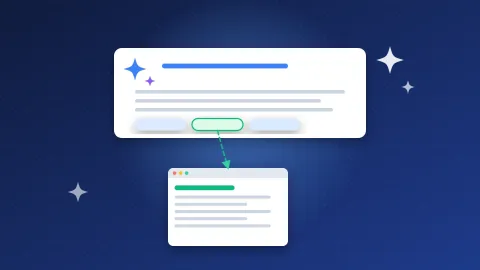
Being cited in an AI Overview is worth more than ranking under one. Here is what makes pages citable, what schema can and cannot do, and how to check.
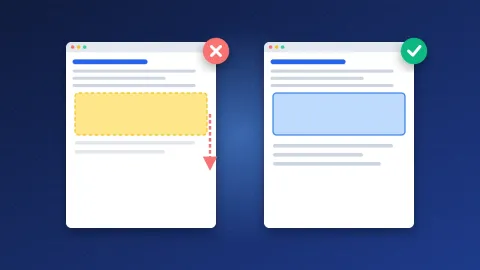
Ads are the most common cause of layout shift on monetised blogs. Here is how to reserve ad space, lazy load lower slots and keep CLS and INP in the green.
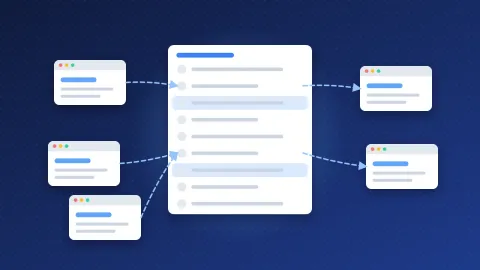
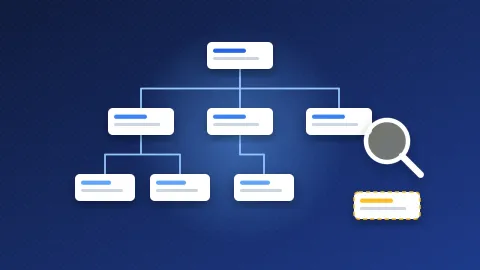
Hub, lists, detail pages: a simple internal linking model for directory and resource-list sites, with rules for breadcrumbs, footers and automatic links.
Google crawled your post but left it out of the index. Here is how a small blog can triage those URLs, improve or merge thin pages and get the keepers indexed.
A free workflow for finding orphan pages: sitemap list vs. links-only crawl, a COUNTIF column, the Search Console Links report, and how to fix what you find.
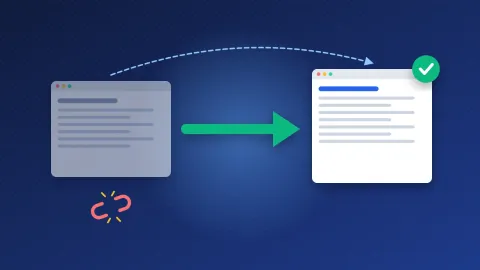
Moving a hand-built PHP site to a CMS? Keep working .php URLs, map the rest one-to-one with single-hop 301s, and watch 404s and Search Console after launch.
 Free tool: IndexNow SubmitterMake an IndexNow key in your browser or use the one you have, check that the key file answers on your site, and send changed URLs to Bing, Yandex, Naver, Sezna…Use it free →Instant Approval DirectoriesAn instant approval directory list checked by hand: directories that publish your listing right away, what they are good for and why most links stay weak.See the list →
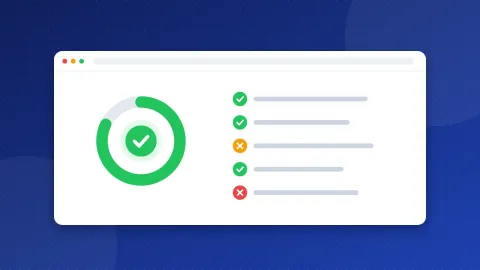 Free tool: Website SEO CheckupPaste a page address and get a score out of 100 from about 45 checks: title, description, headings, images, robots.txt, sitemap, favicon, speed, HTTPS, mobile…Use it free →
 Free tool: Photo EditorCrop, straighten, brighten and sharpen a photo, add text, boxes, arrows and blurred areas, try ten filters, then resize and save it as WebP, JPG or PNG with th…Use it free →PageRank Checker and Top WebsitesCheck the PageRank of any website for free and see the top sites by Open PageRank: the global top 1,000 and the best .ai, .io, .edu, .gov and .org domains.Learn more →Submit Your DirectorySubmit your directory or webmaster resource to Bloghints. Every site is reviewed by hand before it is added to a list. Free and featured listings available.Learn more →
 Which rel Attribute Should Directory Links Use?nofollow, sponsored and ugc in plain HTML, which one fits each kind of directory listing, and what a labelled link still does for the site in it.Read the article →Webmaster ListsAll Bloghints webmaster lists in one place: free, paid, local and instant approval directories, bookmarking, article and classified sites, checked by hand.Learn more →Paid Directory ListA hand-checked paid web directory list, plus Google's rules on paid links, the risks, and how to judge a paid listing by real traffic and editorial review.See the list →Sponsored · FeaturedSemrushAll-in-one SEO suite for keyword research, competitor analysis, backlinks, site audits and rank tracking.See the tool →Sponsored · FeaturedKeywords EverywhereBrowser extension that shows search volume and related keywords next to Google results, paid with credits.See the tool →Sponsored · FeaturedClaudeAI assistant for writing, research, analysis and coding.See the tool →